
Submersible Slurry Pumps vs. Gravel Dredge Pumps: Which Is Better for Your Mine?
Selecting the right pump can significantly impact the efficiency and cost of your mining operation. Understanding the differences between submersible slurry pumps and gravel dredge pumps is essential. In the following sections, we delve deeper into their advantages and disadvantages to help you make an informed choice.
Choosing the right pump is crucial for mining operations. The efficiency and cost-effectiveness of your mine depend on it. Two common options are submersible slurry pumps and gravel dredge pumps. Each has its strengths and weaknesses. Understanding their differences can help you make an informed decision. This article compares both types to determine which is better suited for your mining needs.
What Is a Submersible Slurry Pump?
A submersible slurry pump is designed to operate underwater. It handles mixtures of water and solid particles. These pumps are placed directly into the slurry. They push the mixture to the surface. This design minimises the need for priming and reduces the risk of cavitation. Submersible slurry pumps are compact and easy to install. They are ideal for deep pits and confined spaces. Their ability to handle abrasive materials makes them suitable for various mining applications.
What Is a Gravel Dredge Pump?
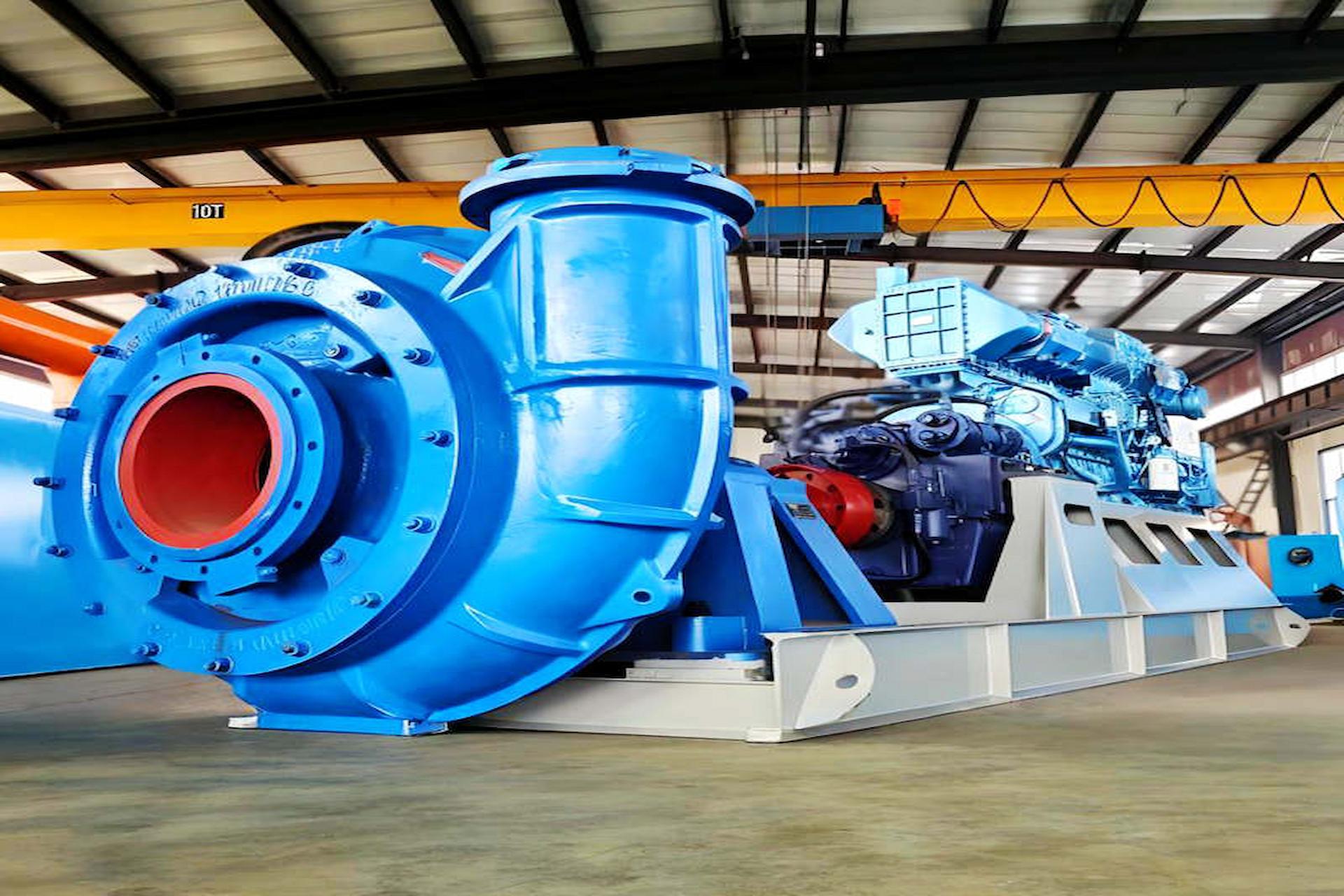
A gravel dredge pump is used to move large volumes of water mixed with solids like gravel and sand. These pumps are often mounted on boats or barges. They are commonly used in dredging operations to clear sediments from water bodies. Gravel dredge pump is powerful and can handle large particles. They are suitable for open-water mining and large-scale sediment removal. However, they require more space and infrastructure compared to submersible slurry pumps.
Key Differences Between the Two Pumps
Installation and Mobility
- Submersible Slurry Pumps: These are submerged directly into the slurry. They are easy to install and require minimal infrastructure. Their compact design allows for mobility and use in confined spaces.
- Gravel Dredge Pumps: These require mounting on vessels or platforms. Installation is more complex and requires additional equipment. They are less mobile and better suited for large, open areas.
Handling Capacity
- Submersible Slurry Pumps: They handle mixtures with smaller solid particles. Ideal for fine slurries and applications where precision is needed.
- Gravel Dredge Pumps: Designed to handle larger particles like gravel and rocks. Suitable for heavy-duty operations and large-scale sediment removal.
Energy Efficiency
- Submersible Slurry Pumps: Generally, more energy-efficient due to their direct operation in the slurry. They require less power to move materials vertically.
- Gravel Dredge Pumps: May consume more energy due to the need for additional equipment and longer pipelines. However, they can move larger volumes, which may offset energy costs in large operations.
Maintenance and Durability
- Submersible Slurry Pumps: Easier to maintain due to their simple design. However, they may wear out faster in highly abrasive conditions.
- Gravel Dredge Pumps: Built for durability and can handle more abrasive materials. Maintenance is more complex and may require specialised skills.
Choosing the Right Pump for Your Mine
When deciding between a submersible slurry pump and a gravel dredge pump, consider the following factors:
- Nature of the Material: If your operation involves fine particles and requires precision, a submersible slurry pump is a suitable choice. For larger particles and heavy-duty operations, opt for a gravel dredge pump.
- Operational Environment: Submersible slurry pumps are ideal for confined spaces and deep pits. Gravel dredge pumps are better for open-water mining and large-scale sediment removal.
- Budget and Resources: Consider the initial investment, energy consumption, and maintenance costs. Submersible slurry pumps are generally more cost-effective for smaller operations. Gravel dredge pumps, while more expensive, are efficient for large-scale projects.
Advantages of Submersible Slurry Pumps
- Compact Design: Their small size allows for easy installation in tight spaces.
- Energy Efficiency: Operating directly in the slurry reduces energy consumption.
- Ease of Maintenance: Simpler design leads to easier and quicker maintenance.
- Versatility: Suitable for various applications, including mining, construction, and wastewater treatment.
Disadvantages of Submersible Slurry Pumps
- Limited Capacity: Not ideal for handling large particles or high volumes.
- Wear and Tear: May wear out faster in highly abrasive environments.
- Depth Limitations: Not suitable for very deep operations beyond their design limits.
Advantages of Gravel Dredge Pumps
- High Capacity: Can handle large volumes and bigger particles like gravel and rocks.
- Durability: Built to withstand harsh and abrasive conditions.
- Efficiency in Large Operations: Ideal for large-scale mining and dredging projects.
Disadvantages of Gravel Dredge Pumps
- Complex Installation: Requires additional infrastructure and equipment.
- Higher Energy Consumption: May consume more power due to the need for auxiliary equipment.
- Maintenance Complexity: Maintenance requires specialised skills and can be time-consuming.
Conclusion
Both submersible slurry pumps and gravel dredge pumps have their unique advantages and are suited for different mining scenarios. Submersible slurry pumps are ideal for operations that require precision, energy efficiency, and work in confined spaces. On the other hand, gravel dredge pumps are suitable for large-scale operations involving heavy and abrasive materials. Assess your specific needs, operational environment, and budget to select the pump that best aligns with your mining objectives.