
Surround Without the Speakers Everywhere
Old surround systems asked for boxes in every corner and wires under every rug. The set up took time, space, and patience. Today the same sense of being inside the soundscape can come from a slender bar and a pair of small rears, or even from headphones. The change did not arrive by accident. It came from smarter modelling of how ears decode space.
Engineers now treat sound as a scene with actors, not as a flat picture. A footstep, a voice, a burst of strings, each becomes an object that can travel. With spacial audio solutions, the system decides where those objects should appear and how they should move. It adjusts timing, level, and tone so the ear believes the position. The listener hears height, distance, and direction without counting loudspeakers.
Rooms complicate the story. Wood floors reflect; soft chairs absorb; glass scatters. People walk through the field and change it again. Modern renderers measure these shifts and compensate. They listen through tiny microphones, map the main reflections, and nudge the output so cues stay stable. The goal is not volume. The goal is believable placement that holds attention while keeping fatigue low.
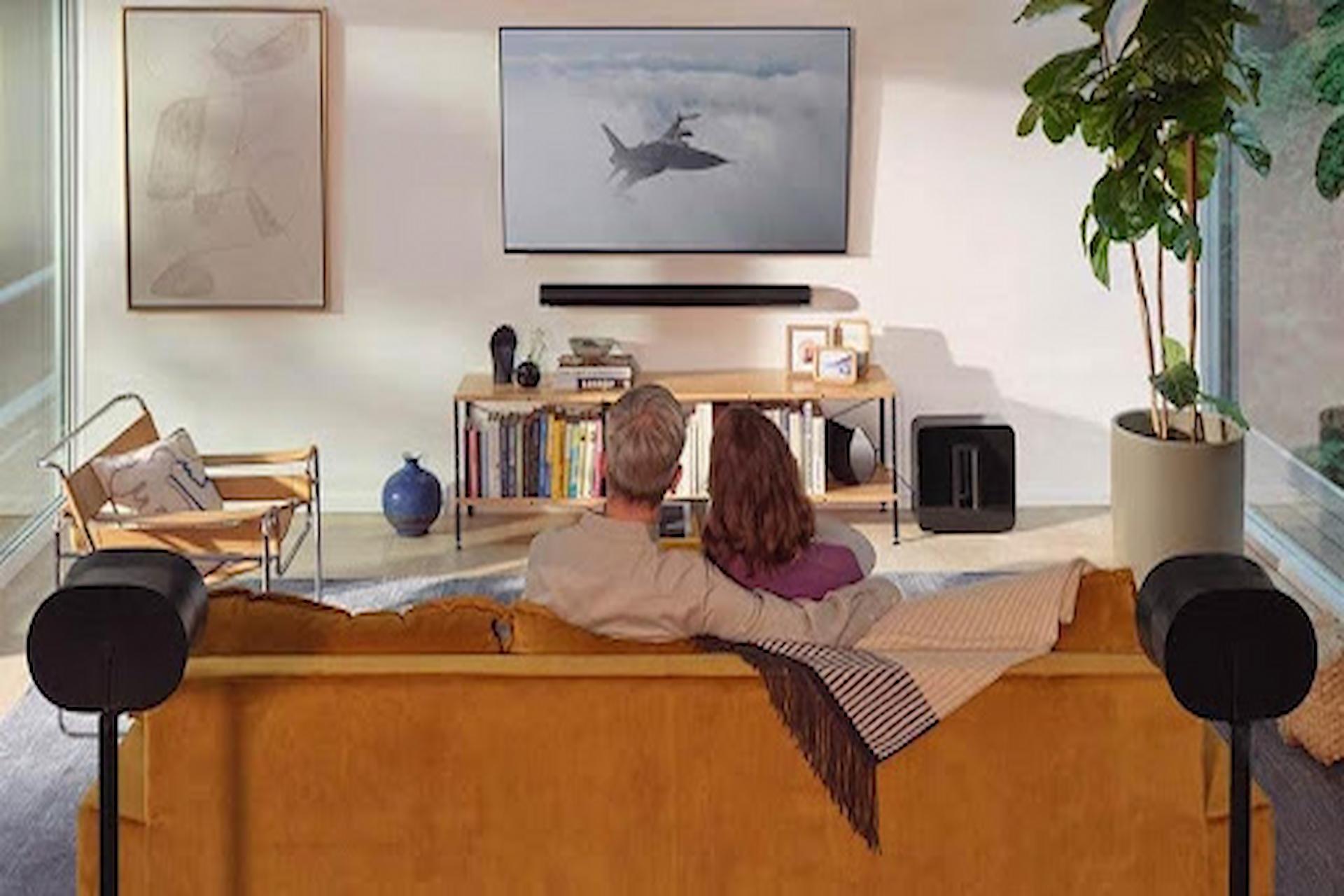
A living room shows the benefit first. One bar under the screen can project voices to the centre, float effects above, and push crowd noise to the sides. The family does not need stands or cable runs. In small flats, that matters. In rentals, it matters even more. A tidy system also saves energy, because precision aims power only where it helps.
Public spaces adopt the approach for the same reason. Galleries guide visitors by letting a whisper reach from the next alcove. Cafés keep music gentle but let speech stay clear at tables. Stadiums lift announcements so they carry across cheering without harshness. None of this needs a forest of boxes. Spacial audio solutions make fewer speakers feel like many by shaping what the brain expects to hear.
Creation shifts with the tools. Producers write for motion as much as for harmony. A piano line may cross the room and settle near the listener for the chorus. In film, a small detail sliding behind can suggest scale better than a blast up front. Even spoken word gains focus when the voice occupies a natural spot in the room rather than a flat strip between ears.
Control still matters. Cheap tricks can collapse when reflections hit at the wrong time. Accurate depth needs careful delays and filters tuned to the space. That is why many systems run calibration at setup, then keep learning. They sample the room each day, track temperature and crowd size, and trim the image so it stays coherent. The corrections remain invisible, and that is the point.
Cost barriers shrink as chips grow faster. Phones can track head motion. Laptops simulate simple binaural fields for meetings. Small venues rent compact processors for short events. The aim is not to copy a giant cinema. It is to deliver clean, spacious sound that suits the moment, whether that moment is a tour, a tasting, or a training session.
There is also a social benefit worth noting. Tighter control reduces spill into streets and hallways. Targeted coverage means neighbours sleep while a club keeps the dance floor alive. Offices gain quiet zones without walls. Schools cut strain for teachers who would rather not raise their voices.
In short, surround without speakers everywhere is not a trick. It is intelligent design that respects how people listen. Spacial audio solutions give designers a way to place sound with care instead of force. When the system listens first and speaks second, the room feels larger, the gear feels smaller, and the experience feels more human.