
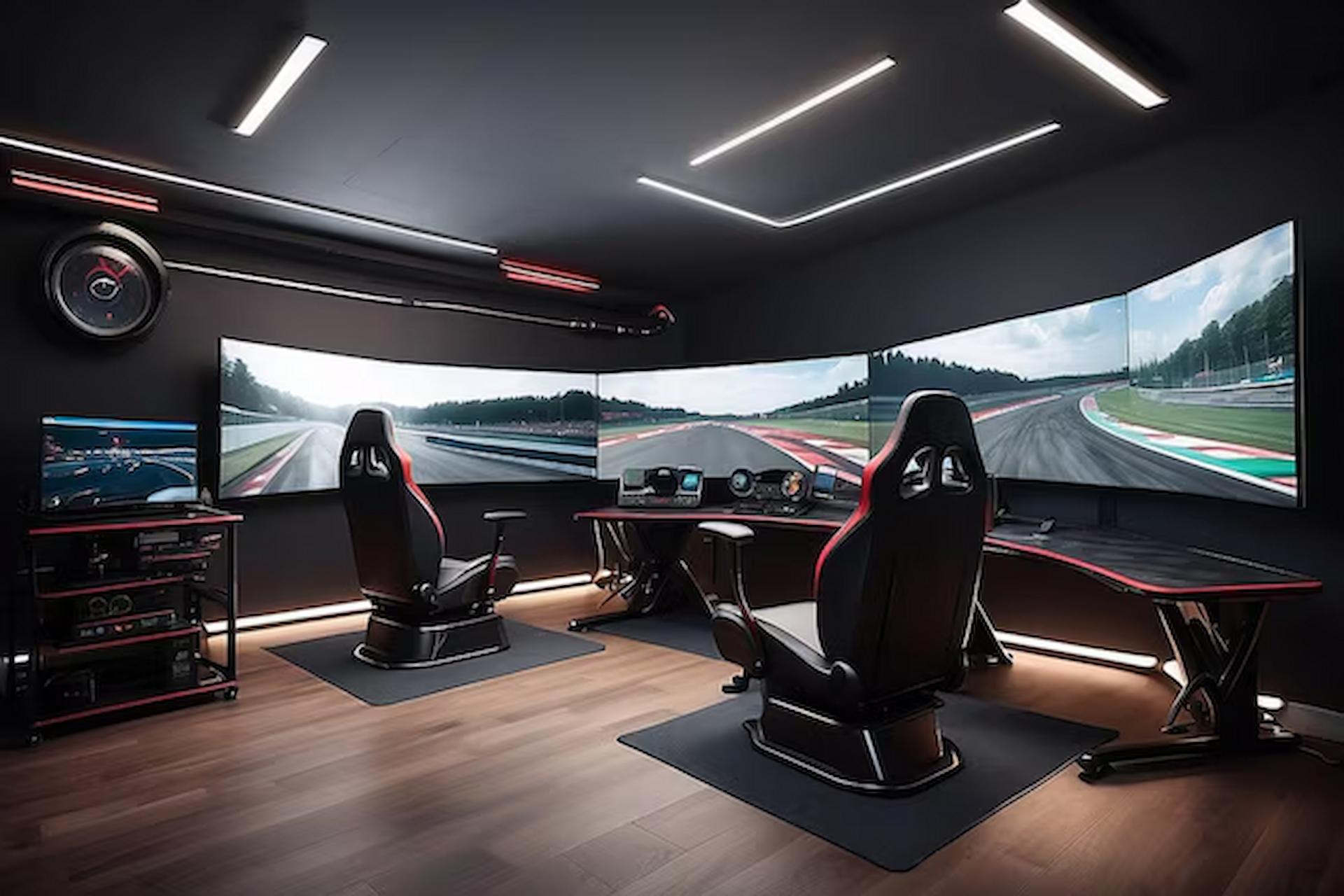
What to Expect from the SimRacer Driving Experience
Strap in, buckle up, and grip that virtual wheel — you’re about to enter a world where adrenaline meets precision. Whether you’re a motorsport fan or a gaming enthusiast, the SimRacer experience blurs the lines between reality and simulation. From jaw-dropping realism to pro-level gear, it’s more than a game. It’s a full-throttle journey into the heart of racing culture. Here’s exactly what you can expect.
If you’ve ever dreamt of racing on the Nürburgring or tackling corners at Monza, the SimRacer driving experience could be your ticket. This isn’t your average gaming session. It’s a high-tech, immersive racing simulation that captures the thrill and technique of real-world motorsports, all from the comfort of your own home.
Whether you’re just curious or planning to invest in a full rig, understanding what’s in store can make a big difference. From setup essentials and physics realism to competitive leagues and professional-grade hardware, we’ll take you through everything you need to know about diving into this exhilarating digital racing world.
1. Realism Like Never Before
Sim racing doesn’t just simulate driving — it replicates the entire racing ecosystem with astonishing precision. This realism is what sets it apart from traditional racing games.
Key Aspects of Realistic Simulation
- Physics-Based Driving: Each vehicle handles based on real-world dynamics — tire grip, suspension, and weight distribution.
- Laser-Scanned Tracks: Circuits are recreated using advanced scanning tech, making bumps, turns, and kerbs feel authentic.
- Weather & Tire Simulation: Expect changing conditions that impact handling, just like in professional racing.
Realistic simulators like iRacing, Assetto Corsa, and rFactor 2 take pride in mimicking real-world race conditions, giving the Sim Racing community a taste of professional racing from home.
2. Choosing the Right Gear
Your sim racing experience hinges on the hardware you choose. From entry-level to elite setups, gear influences everything from immersion to performance.
Essential Components
- Racing Wheel and Pedals: A force-feedback wheel with load cell pedals enhances control and realism.
- Cockpit or Rig: A sturdy frame keeps everything mounted securely, improving comfort and consistency.
- Monitors or VR Headset: Triple-screen setups or VR immerse you in the race like never before.
Optional Upgrades
- Buttkickers & Motion Platforms: Enhance realism with tactile feedback and motion cues.
- Shifters and Handbrakes: Especially useful for rally or drift simulations.
Pro tip: Start with a mid-range wheel and pedals, and upgrade as your skills — and passion — grow.
3. Learning the Ropes: From Arcade to Simulation
New to sim racing? The learning curve is steeper than in arcade games, but the rewards are far greater. Mastering the basics sets the foundation for advanced racing techniques.
First Steps for New Drivers
- Learn Racing Lines: Practice ideal entry, apex, and exit strategies to improve lap times.
- Use Driving Aids (Initially): Traction control, ABS, and automatic gear shifts can help early on.
- Focus on Consistency: Speed comes with time — prioritise clean laps over fast laps.
Skill Progression
- Lap Analysis Tools: Use software like MoTeC or VRS to study data and improve.
- Track Familiarisation: Spend time on one track before jumping between circuits.
- Join Beginner Races: Many platforms host low-pressure events ideal for newcomers.
Over time, you’ll transition from a beginner to a confident SimRacer ready for serious competition.
4. Online Racing and Esports Leagues
The heart of sim racing lies in its community and competitive environment. Organised leagues and ranked matchmaking offer structure and excitement for drivers of all levels.
Popular Platforms for Competition
- iRacing: Arguably the gold standard for competitive sim racing, with licensed series and a robust safety rating system.
- RaceRoom and ACC: Known for GT racing and well-organised multiplayer events.
Why Join a League?
- Structured Progression: Race against drivers of similar skill levels.
- Community Engagement: Connect with fellow enthusiasts, share setups, and grow together.
- Real Rewards: Some leagues offer real-world prizes, sponsorships, or esports careers.
Even professionals like Max Verstappen spend hours honing their skills in the sim world, because competition breeds excellence.
5. Tuning Setups and Customisation
One of the most engaging aspects of sim racing is tweaking car setups to suit different tracks, conditions, and driving styles. It’s part art, part science.
Key Elements to Tune
- Suspension & Ride Height: Adjust handling and cornering responsiveness.
- Tire Pressure & Camber: Balance grip with durability and heat management.
- Gear Ratios & Aero: Match your setup to track layout — long straights or tight corners.
Tools & Resources
- Setup Guides: Use forums or Discord groups to find tested base setups.
- Telemetry Software: Analyse data from each lap to fine-tune your performance.
This level of personalisation is what draws serious drivers into the world of SimRacer setups — every adjustment brings you closer to perfection.
6. Tips for an Immersive Experience
It’s not just about speed — it’s about immersion. Here’s how to turn your sim racing room into a professional-grade cockpit.
Environment Enhancements
- Proper Lighting: Avoid glare; use ambient or LED backlighting.
- Ergonomic Seating: Maintain posture and comfort during long sessions.
- Noise Control: Use noise-cancelling headphones or dedicated soundproofing.
Software & Settings
- Graphics Optimisation: Balance frame rate and visual fidelity.
- Force Feedback Calibration: Tune your wheel for realistic resistance and road feel.
- HUD Customisation: Display only essential info to reduce distractions.
With the right environment, even a modest setup can feel like you’re tearing down the Mulsanne Straight.
7. From Hobby to Career: The Professional Path
Sim racing is no longer just a pastime. Today, it’s a legitimate path into professional motorsports or esports careers.
Real-World Crossovers
- F1 Esports Series: Drivers can transition from digital to real circuits.
- GT Academy Success: Gran Turismo players have become actual racecar drivers.
- Sponsorship Opportunities: Brands are investing in talented sim racers.
Building Your Profile
- Stream Your Races: Use platforms like Twitch or YouTube to grow an audience.
- Network Strategically: Join active racing communities and participate in relevant events.
- Stay Consistent: Like any sport, practice and dedication pave the road to success.
If your dream is to race professionally, sim racing could be your starting grid.
Conclusion
Whether you’re chasing the next eSports championship or simply want a more engaging way to enjoy racing, the SimRacer experience offers something truly unique. From lifelike driving physics to online competition and professional-grade setups, sim racing is more than a game it’s a passion-fueled journey. So fire up your rig, join the grid, and see just how far your virtual driving career can go.
Ready to race? It’s time to buckle in and chase the checkered flag.