
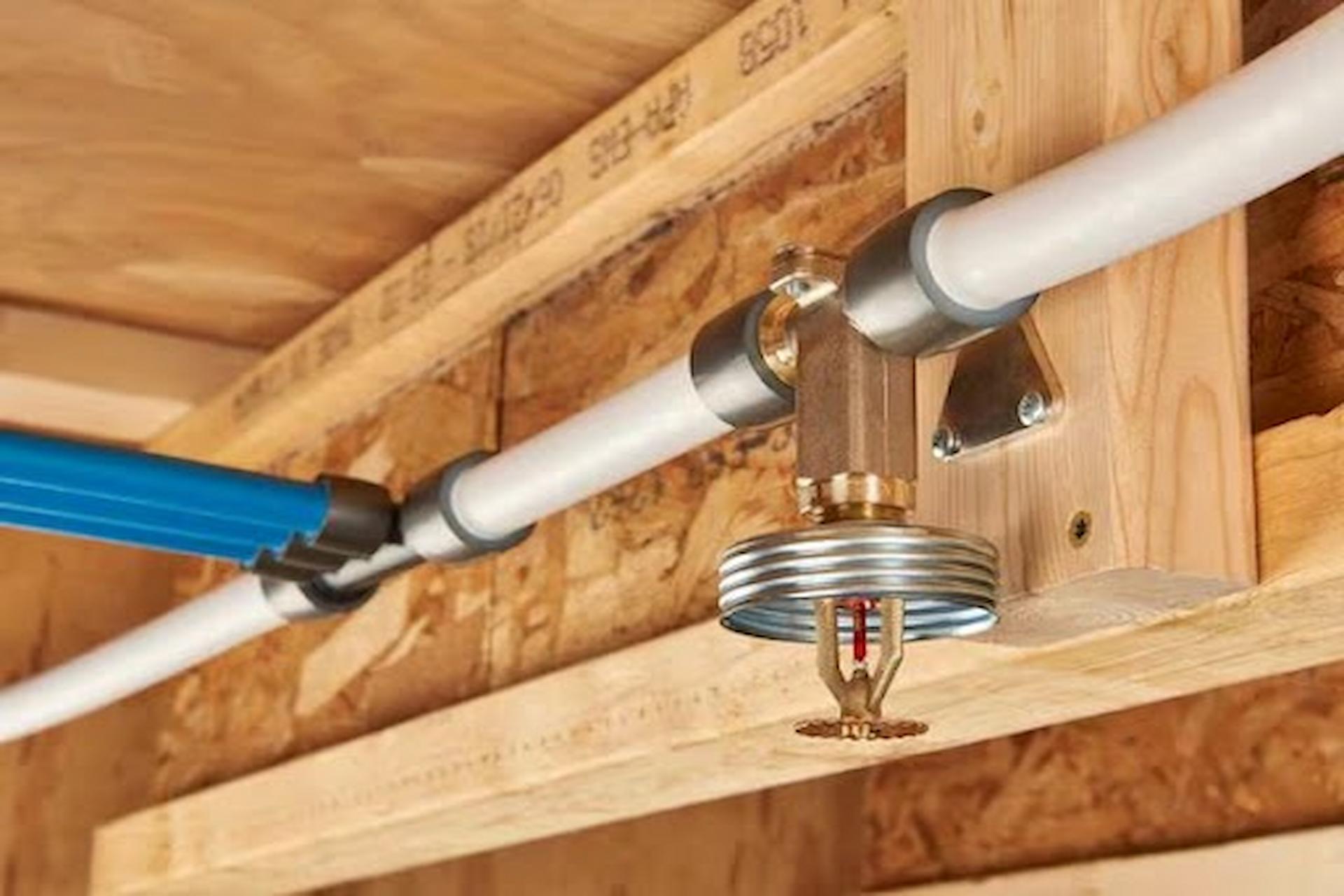
Why Winter Is the Best Time to Test Your Fire Sprinklers
As temperatures drop and heating systems kick in, most homeowners focus on warmth and comfort. Yet winter is also the perfect season to ensure your fire protection systems are in top condition. Conducting fire sprinkler testing during the colder months ensures your home remains safe, efficient, and ready for any emergency.
The Overlooked Importance of Fire Sprinkler Testing
A fire sprinkler system is one of the most reliable defences against accidental fires. It reacts automatically to heat, releasing water only where needed. But like any safety system, it can only protect you if it’s maintained correctly.
Routine fire sprinkler testing confirms that water pressure, valves, and sensors work precisely as intended. Without it, you may not realise that rust, freezing, or trapped air has compromised your system’s effectiveness. Testing in winter helps catch issues early — when pipes and fittings face their most challenging conditions.
Why Winter Is the Ideal Season for Sprinkler Maintenance
Winter offers unique advantages for inspecting and maintaining your fire safety system. Here’s why this time of year is best for homeowners to act.
1. Identifying Cold-Weather Vulnerabilities
Low temperatures can cause pipes to freeze, valves to tighten, or joints to crack — especially in unheated spaces like attics, garages, and lofts. When water in the pipes freezes, it expands, creating pressure that can damage fittings or cause leaks once it thaws.
Conducting fire sprinkler testing in winter enables you to detect these vulnerabilities before they become costly failures. A professional inspection ensures that insulation is intact, heating systems around the sprinkler network function correctly, and that any dry pipe systems are appropriately pressurised.
2. Preventing Water Damage Before It Happens
Frozen or burst pipes are one of the most common winter hazards. Fire sprinkler systems, if neglected, can contribute to this problem. Even a small leak can lead to significant water damage, especially if it goes unnoticed behind walls or ceilings.
Testing during the cold months helps identify areas where water isn’t flowing freely or where condensation builds up. By ensuring that water drains correctly and that valves seal tightly, you protect your property from both fire and flood risk.
3. Avoiding Emergency Call-Outs During Peak Season
Fire safety technicians are often busiest in summer when commercial and residential inspections surge. Scheduling your fire sprinkler testing in winter means shorter waiting times, quicker service, and more flexibility to address any issues found.
It also allows you to plan maintenance before the new year — avoiding potential disruptions to holidays, insurance renewals, or annual property checks. Winter testing is proactive, helping you stay ahead of regulations and avoid emergency repairs when technicians are harder to book.
4. Taking Advantage of Lower System Demand
In many properties, fire protection systems experience less strain in winter due to lower humidity and reduced construction activity. Testing during this quieter period allows technicians to carry out more thorough inspections with minimal disruption.
For homeowners, this means no interference with outdoor projects or summer renovations. It’s a convenient time to perform pressure tests, drain checks, and sensor calibrations without affecting day-to-day routines.
5. Verifying System Integrity After Seasonal Changes
If your property experiences seasonal temperature shifts, your sprinkler system may have expanded and contracted slightly between summer and winter. These small movements can loosen fittings or misalign pipes.
Winter testing helps detect subtle changes caused by these fluctuations. It ensures all connections are tight, gauges are accurate, and the alarm system responds correctly. Addressing these adjustments early helps avoid costly system failures in the following months.
Key Steps in Winter Fire Sprinkler Testing
A comprehensive winter inspection follows a methodical process. Homeowners can complete some checks independently, but professional oversight is always recommended for full accuracy.
1. Start with a Visual Examination
Inspect sprinkler heads throughout the property. Make sure they’re free from dust, cobwebs, or paint. Look for moisture marks or corrosion on nearby surfaces — a sign of hidden leaks or condensation issues.
Pay particular attention to areas near windows, lofts, and garages where temperature fluctuations are most significant. Ensure control valves are fully open and easily accessible in the event of an emergency.
2. Conduct Flow and Alarm Tests
The next stage of fire sprinkler testing involves simulating activation through a test valve. When opened, you should hear water movement and see a small discharge at the outlet. The building’s fire alarm system should also trigger, confirming sensor and switch functionality.
If there’s a delay, irregular flow, or no alarm, it indicates a mechanical or electrical issue that needs prompt professional attention. Once testing is complete, remember to close the valve securely and reset the alarm panel.
3. Check Pressure and Water Supply
Water pressure is critical for proper sprinkler performance. In winter, reduced mains pressure or partially frozen supply lines can compromise water delivery. Ensure your gauge reads within the recommended range for your system type — usually marked on the equipment label.
Professional engineers can perform a static and residual pressure test to confirm a consistent supply throughout the building. They also check the backflow preventer to ensure no contamination occurs in the domestic water system.
4. Inspect Insulation and Anti-Freeze Measures
For homes with dry or pre-action systems, winter testing focuses heavily on insulation and anti-freeze solutions. The engineer will verify that the dry pipe valves respond quickly and that the air pressure remains stable.
If anti-freeze loops are installed, they’ll test fluid concentration to ensure it hasn’t degraded or diluted over time. A weakened solution may freeze unexpectedly, rendering the sprinkler system ineffective during extreme cold.
5. Record Maintenance and Schedule Follow-Up Checks
Every test should be logged with details of inspections, repairs, and pressure readings. This record not only demonstrates compliance with fire safety standards but also helps track performance over time.
Scheduling your subsequent fire sprinkler testing in advance — ideally before the following winter — ensures ongoing protection without last-minute arrangements. Maintenance logs also serve a valuable purpose for insurance purposes, demonstrating consistent care and due diligence.
Common Winter Sprinkler Issues and How to Address Them
While most systems perform reliably year-round, winter introduces a few challenges that deserve attention:
- Condensation inside pipes: This can freeze, causing blockages. Proper insulation and air circulation help prevent it.
- Valve stiffness: Low temperatures can cause metal valves to seize. Lubrication and regular operation checks are vital.
- False alarms: Rapid heating after cold spells can trigger sensitive sensors. Calibrating control panels avoids unnecessary activations.
- Slow water flow: Indicates partial freezing or trapped air pockets — usually resolved through professional flushing.
Addressing these issues promptly prevents lasting damage and keeps your system dependable through winter and beyond.
Why Winter Testing Supports Year-Round Safety
Testing your fire sprinklers during winter isn’t only about cold-weather risks — it also sets the stage for reliable performance year-round. Systems verified in winter are more likely to function correctly during the high-risk summer months when temperatures and fire incidents increase.
It’s also an opportunity to review your overall home fire safety plan: checking smoke alarms, ensuring extinguishers are accessible, and clearing escape routes. When your sprinkler system is in perfect condition, the rest of your safety measures work seamlessly alongside it.
Conclusion
Winter brings unique challenges to home maintenance, but it also offers the perfect opportunity to ensure your fire safety systems are performing at their best. Conducting fire sprinkler testing during the colder months allows you to identify weak points, prevent freezing damage, and prepare for the year ahead with confidence.
Taking a proactive approach means fewer surprises, fewer repairs, and a safer home environment for your family. With a reliable sprinkler system in place, you can enjoy the warmth of winter knowing your property is protected from one of the most unpredictable dangers — fire.