
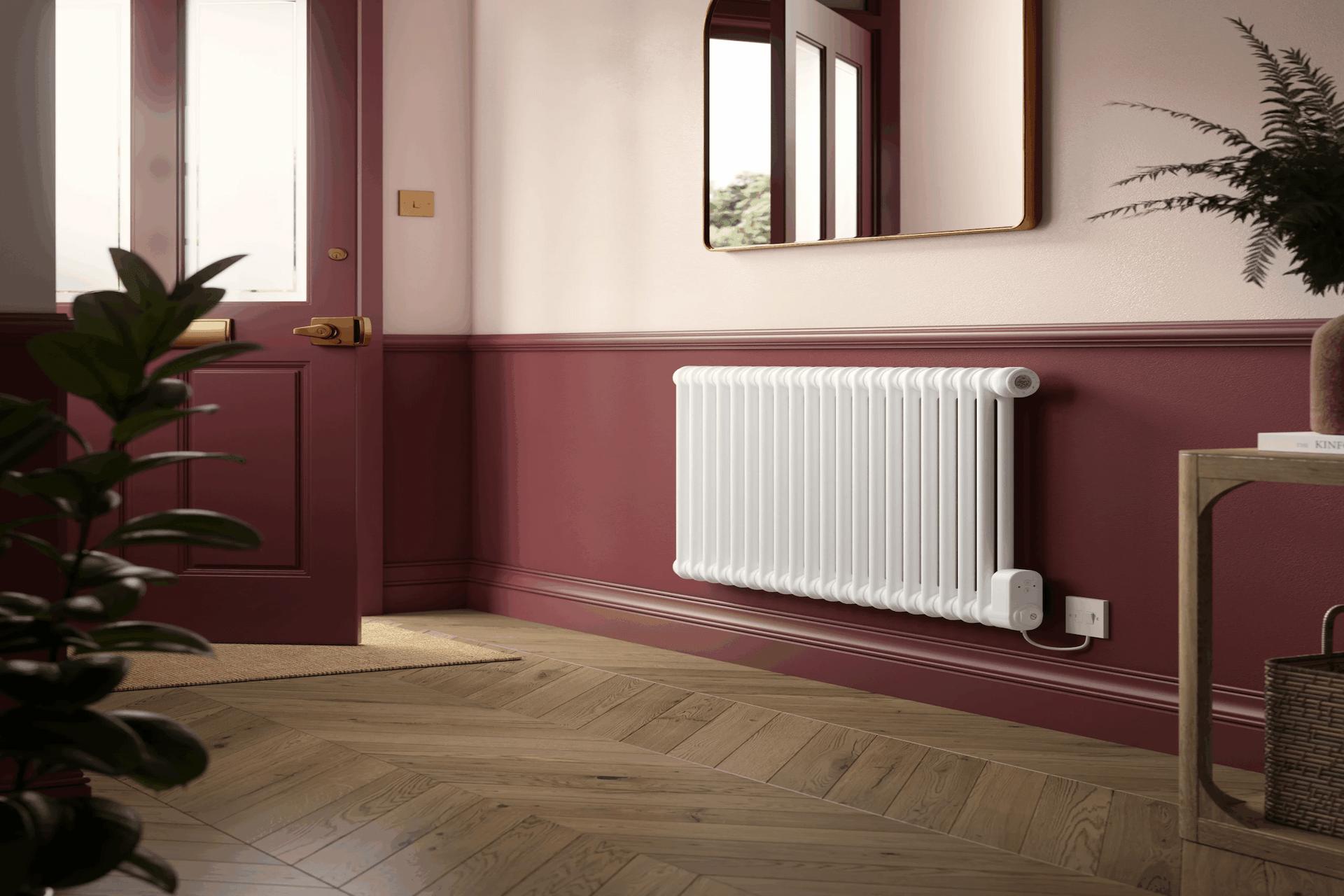
How Electric Column Radiators Compare to Traditional Wet Systems
Choosing the right heating system is one of the most important decisions for any homeowner. Whether you are renovating an older property, upgrading an outdated heating setup, or planning a new installation, understanding the differences between modern electric heating and traditional wet systems can help you make a more informed choice.
Among the growing range of electric heating solutions available today, the electric column radiator has become a popular option for homeowners seeking efficiency, flexibility, and classic design. While traditional wet systems remain common across many UK homes, electric alternatives offer several advantages that are worth considering.
Understanding Traditional Wet Heating Systems
A traditional wet heating system uses a boiler to heat water, which is then circulated through a network of pipes connected to radiators throughout the property.
These systems have been a standard feature in UK homes for decades because they can effectively heat multiple rooms from a single heat source. Depending on the setup, the boiler may be powered by gas, oil, or another fuel source.
Wet systems generally consist of:
- A boiler
- Pipework throughout the property
- Radiators
- Thermostats and controls
- Pumps and valves
When operating efficiently, they provide consistent heating across the home. However, installation and maintenance requirements can be more complex than those of standalone electric heating solutions.
What Is an Electric Column Radiator?
An electric column radiator combines the traditional appearance of classic column radiators with modern electric heating technology.
Rather than relying on a central boiler and pipe network, each radiator operates independently using electricity. This allows homeowners to heat individual rooms without needing a complete central heating system.
The design is particularly attractive in period properties, contemporary homes, and renovation projects where homeowners want a stylish heating solution that complements the interior décor.
Installation: Simplicity Versus Complexity
One of the most noticeable differences between the two systems is installation.
Traditional Wet Systems
Installing a wet heating system often involves:
- Extensive pipework
- Boiler installation
- Professional plumbing work
- Potential disruption to walls and floors
For new builds, this may be incorporated during construction. However, retrofitting or replacing an existing system can become a significant project.
Electric Column Radiators
Electric radiators are considerably simpler to install. In many cases, they only require mounting and connection to an appropriate electrical supply.
This can offer several advantages:
- Faster installation
- Less disruption
- Reduced labour costs
- Greater flexibility for room placement
For extensions, loft conversions, garden rooms, and home offices, electric solutions can be particularly practical.
Energy Efficiency and Heat Control
Energy efficiency is a major consideration for homeowners looking to manage energy consumption and running costs.
Wet Systems
Traditional systems can be efficient when paired with a modern condensing boiler and smart controls. However, heat must travel through the entire system before reaching individual rooms.
Energy losses may occur through:
- Pipework
- Older boilers
- Inefficient controls
- Poor system balancing
Electric Column Radiators
Electric radiators convert nearly all the electricity they use directly into heat at the point of use.
A key advantage is zoned heating. Each radiator can often be controlled independently, allowing homeowners to heat only the rooms they are actively using.
Benefits include:
- Precise temperature control
- Individual room programming
- Reduced energy waste
- Improved comfort levels
This level of control can be particularly useful in households where different rooms have varying heating requirements throughout the day.
Maintenance Requirements
Maintenance is another area where the two systems differ significantly.
Traditional Wet Systems
Wet systems typically require ongoing maintenance, including:
- Annual boiler servicing
- Bleeding radiators
- Pressure checks
- Potential pipework repairs
- Component replacement over time
If a boiler develops a fault, the entire heating system may be affected.
Electric Column Radiators
Electric radiators generally require minimal maintenance.
Because there are no pipes, pumps, or boilers involved, homeowners avoid many of the common issues associated with wet systems. Routine cleaning and occasional inspections are usually sufficient to keep them operating effectively.
Flexibility and Property Suitability
Not every property has the same heating requirements.
Wet Systems
Traditional systems work well in:
- Larger family homes
- Properties with existing boiler infrastructure
- Homes requiring whole-house heating
However, extending the system into new areas can sometimes be expensive and disruptive.
Electric Column Radiators
Electric options are highly adaptable and suitable for:
- Flats and apartments
- Home offices
- Garden buildings
- Extensions
- Period property renovations
- Properties without gas connections
Their independent operation allows homeowners to add heating exactly where it is needed without modifying an existing central heating network.
Design and Aesthetic Appeal
Heating appliances are no longer viewed purely as functional necessities. Many homeowners now consider them part of the overall interior design.
Traditional column radiators have long been admired for their timeless appearance. Electric versions retain this classic style while incorporating modern technology.
They are available in various:
- Heights
- Widths
- Finishes
- Colours
This makes it easier to coordinate heating with both traditional and contemporary interiors.
Running Costs: A Balanced Perspective
Running costs depend on several factors, including energy tariffs, insulation quality, usage patterns, and system efficiency.
Traditional wet systems powered by modern gas boilers can still provide economical heating in many situations. However, rising interest in energy-efficient homes and increased control over room-by-room heating has led many homeowners to explore electric alternatives.
Electric column radiators can be particularly cost-effective when used strategically, especially in properties where only selected rooms require heating at specific times.
The ability to avoid heating unused spaces may help reduce unnecessary energy consumption.
Which Option Is Right for You?
The choice between electric column radiators and traditional wet systems ultimately depends on your property, lifestyle, and heating priorities.
A wet system may remain the preferred option for larger homes that already have an efficient central heating infrastructure in place. However, electric column radiators offer a compelling alternative for homeowners seeking flexibility, straightforward installation, independent room control, and low-maintenance operation.
As heating technology continues to evolve, many households are discovering that modern electric solutions can provide both practical performance and attractive design. By carefully assessing your home’s needs, you can choose a heating system that delivers comfort, efficiency, and long-term value.