
Smart Home HVAC Trends: Maximizing Comfort and Control in 2026
Introduction
Homeowners are no longer satisfied with basic heating and cooling. In 2026, comfort means control, efficiency, and intelligent automation working together seamlessly. Smart HVAC systems are transforming how people manage indoor climates, making homes more responsive, energy-efficient, and easier to maintain.
As technology continues to evolve, modern HVAC solutions are becoming more connected and intuitive. From smart thermostats to AI-powered climate control, these innovations are helping homeowners reduce energy costs while improving everyday comfort. Understanding these trends can help you make smarter decisions for your home.
The Rise of Smart HVAC Systems in Modern Homes
Smart HVAC systems have moved from luxury upgrades to practical essentials. These systems use sensors, connectivity, and automation to adjust heating and cooling based on real-time conditions.
Instead of manually changing settings, homeowners can now rely on systems that learn preferences and adapt automatically. Whether it’s adjusting temperatures based on occupancy or responding to weather changes, smart HVAC systems provide a level of convenience that traditional setups cannot match.
One of the key benefits of switching to a smart thermostat is the ability to optimise energy use without constant manual input, helping homeowners maintain comfort while reducing unnecessary energy consumption.
This shift is especially appealing to homeowners looking for long-term efficiency and simplified home management.
Why Energy Efficiency Is Driving HVAC Innovation
Energy efficiency has become a major priority in home improvement. Rising utility costs and growing environmental awareness are pushing homeowners to seek smarter solutions.
Modern HVAC systems are designed to reduce energy waste through better control and monitoring. Features such as programmable schedules, energy tracking, and adaptive performance ensure that systems run only when needed.
As a result, homeowners not only lower their monthly bills but also contribute to more sustainable living practices. This focus on efficiency is one of the main reasons smart HVAC technology continues to gain traction.
Smart Thermostats as the Core of HVAC Control
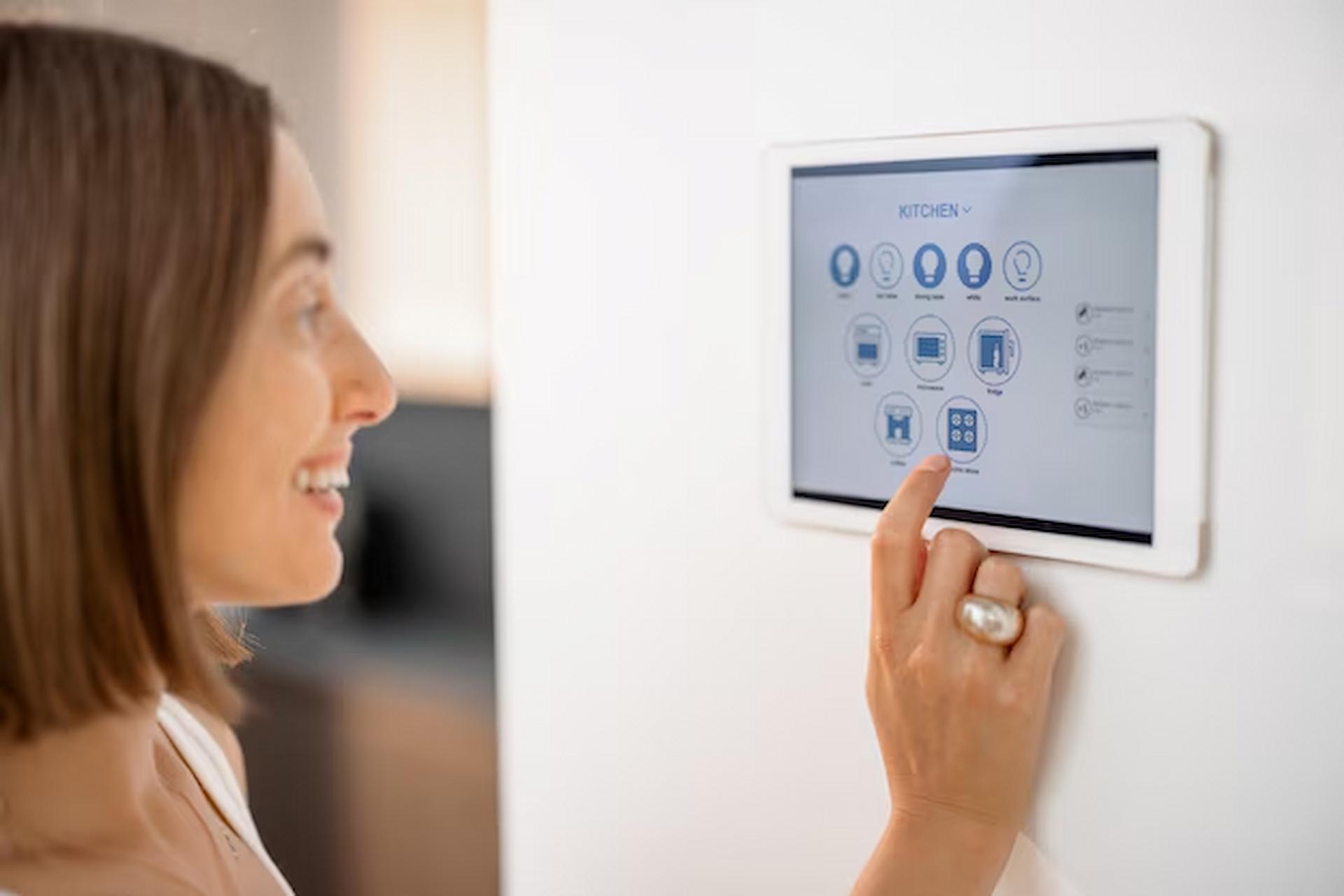
At the center of every smart HVAC system is the thermostat. Unlike traditional models, smart thermostats do much more than regulate temperature. They analyze patterns, learn user behavior, and make automatic adjustments to optimize comfort and efficiency.
Homeowners exploring smarter climate solutions often overlook the benefits of switching to a smart thermostat, which can significantly improve energy efficiency, comfort, and daily convenience.
With features like remote access via smartphone apps, homeowners can control their HVAC systems from anywhere. This level of accessibility ensures that energy isn’t wasted when no one is home.
Key Features Homeowners Should Look For
Smart thermostats come with a range of advanced capabilities that enhance performance and usability.
One of the most valuable features is scheduling, which allows users to set temperature changes based on daily routines. Geofencing is another powerful tool, automatically adjusting settings when residents leave or return home.
Additionally, energy usage reports provide insights into consumption patterns, helping homeowners make informed decisions about their HVAC usage.
Enhancing Comfort Through Zoned Heating and Cooling
Zoned HVAC systems are becoming increasingly popular in modern homes. Instead of treating the entire house as a single unit, zoning allows different areas to be heated or cooled independently.
This means you can keep bedrooms cooler at night while maintaining a comfortable temperature in living areas during the day. It eliminates the common problem of uneven temperatures throughout the house.
Zoning not only improves comfort but also enhances efficiency by directing energy only where it is needed.
Integration with Smart Home Devices and AI
Smart HVAC systems are now part of a larger connected ecosystem. Integration with smart home devices such as voice assistants allows homeowners to control temperature settings using simple commands.
Artificial intelligence is also playing a growing role. AI-driven systems can predict maintenance needs, detect inefficiencies, and even adjust performance based on weather forecasts.
Smart sensors further enhance these capabilities by monitoring humidity levels, air quality, and occupancy. This creates a more responsive and healthier indoor environment.
Cost Savings and Long-Term Value of Smart HVAC Upgrades
While smart HVAC systems may require an initial investment, they offer significant long-term savings. Reduced energy consumption leads to lower utility bills, making these systems cost-effective over time.
Understanding the benefits of switching to a smart thermostat can help homeowners realize how small upgrades can lead to substantial financial savings. Improved efficiency also reduces wear and tear on HVAC components, extending the lifespan of the system.
In addition, homes equipped with smart technology often have higher property value, making these upgrades a smart investment for the future.
Common Challenges and Considerations Before Upgrading
Despite their advantages, smart HVAC systems are not without challenges. One of the main considerations is compatibility with existing equipment. Older systems may require additional upgrades to support smart features.
Installation costs can also be a concern for some homeowners. However, these costs are often offset by long-term energy savings.
There is also a learning curve involved in using new technology. While most systems are user-friendly, it may take time for homeowners to fully understand and utilize all available features.
Conclusion
Smart HVAC trends in 2026 are reshaping how homeowners experience comfort. With advancements in automation, energy efficiency, and connectivity, modern systems offer far more than simple temperature control.
From intelligent thermostats to AI-powered climate management, these innovations provide a smarter, more efficient way to manage indoor environments. Exploring the benefits of switching to a smart thermostat is often the first step toward creating a home that is both comfortable and cost-effective.
As technology continues to evolve, investing in smart HVAC solutions is not just about convenience—it is about future-proofing your home for better performance, sustainability, and long-term value.